A Familiar Doorway: Watching a Film for Its Thresholds
Watch a film’s thresholds to see how entrances, exits, and hesitation reveal permission, relationships, and a character’s changing choices without overreading.
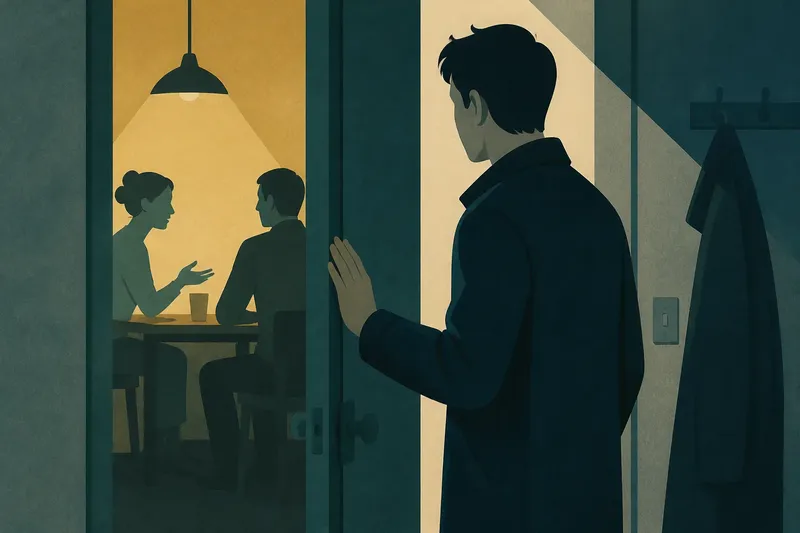
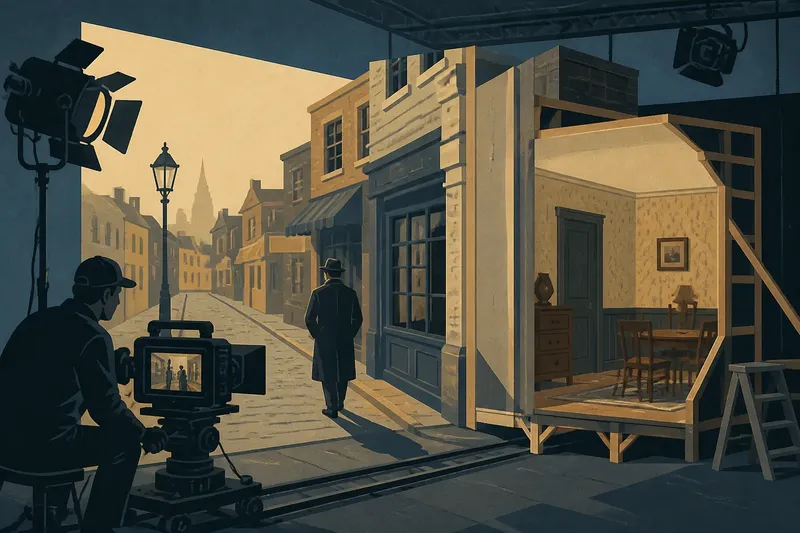
The most common mistake when watching a film for its thresholds is treating every doorway as a clue to the set’s layout. That can cost you the scene’s sharper meaning: a character may be negotiating permission, avoiding a goodbye, or choosing whether to be seen. Follow the decision at the boundary, not the floor plan.
Pick one moment when someone approaches, pauses, enters, or leaves. Notice who controls the choice and how the performance changes around it. A threshold can work like a turnstile: the important question is not only who passes, but who gets to decide.
Choose a Crossing
Start with a crossing that changes the interaction. An arrival that interrupts a conversation, an exit that nobody acknowledges, or a person who stays outside while others talk gives you something specific to follow. You do not need to track every door in the film.
- If an arrival changes the conversation: Check who looks up and who keeps speaking. If the newcomer receives immediate attention, read the entrance as socially recognized; if the conversation carries on, consider that the character is being ignored or that the arrival is meant to pass unnoticed.
- If someone leaves during a tense exchange: Check whether anyone tries to stop them. If another character calls them back or moves to follow, the departure matters to the relationship; if no one responds, consider whether the silence itself is the point.
- If a character waits outside: Check whether someone inside sees them. If they are acknowledged but not invited in, read the pause as a possible refusal; if nobody notices, consider distraction or deliberate concealment instead.
- If a person pauses before entering: Check what happens just before the pause and whether anyone reacts. If a glance or interrupted line prompts it, connect the hesitation to that exchange; if not, leave its meaning open.
- If a character returns after leaving: Check whether they retrace their choice or enter for a new reason. If they address the same person, the return may reopen the exchange; if they turn to someone else, treat it as a change in attention rather than a simple reversal.
- If the door closes between people: Check whether conversation or eye contact continues. If contact stops with the closing, the scene may mark separation; if voices or looks carry on, the boundary has not ended their connection.
These are decisions about how to watch, not fixed readings of a gesture. The same pause can mean reluctance, politeness, or a response to something just offscreen. Let the scene’s timing and other characters’ reactions narrow the possibilities.
Read Permission
Pay attention to who acts as though entry is theirs to grant. One person may wait for a nod, while another walks in without looking for approval. That contrast can establish a social rule without a speech explaining it.
Consider a visitor who knocks and waits while a familiar employee pushes through the same doorway without stopping. The difference may suggest unequal access, but it could also reflect an established routine. Look for supporting cues: does the person inside welcome the visitor, continue working, or make them ask again?
Also watch how permission is withdrawn or offered. Someone who opens a door but does not step aside may be making entry awkward; someone who moves back may be inviting the other person in. Neither gesture has a universal meaning, so read it alongside expression, dialogue, and what happens next.
Follow the Choice
Track one character from the moment they decide to move until the scene shows the result. The point is not to map their route. It is to notice whether they commit, change their mind, or let someone else’s response decide for them.
- Mark the first visible sign of a decision, such as turning toward the exit or reaching for a handle.
- Notice what interrupts or encourages the movement: a name called, a look exchanged, or a silence that continues.
- Watch whether the character crosses, waits, or turns back.
- Check the immediate response from the other people in the scene.
- Keep the interpretation provisional until a later line or action supports it.
Say a character in an invented scene has their coat on and one hand on the apartment door after an argument. Their sibling says, “You can still tell me,” and the character lowers their hand but stays facing the exit. The observable result is that they have not left, yet they have not turned back either; a careful reading is that the choice remains unresolved, not that forgiveness has already happened.
Notice Hesitation
A pause at a doorway can make a decision visible before the dialogue names it. Watch the timing: does the character stop before entering, after hearing something, or only when another person looks at them? Each placement gives the pause a different context.
Compare posture with expression. A character may smile while keeping their shoulders angled away, or speak calmly while holding the door open. That mismatch can add tension, but it does not prove a hidden motive. Look for another cue, such as a changed tone, a response from the other person, or a later action that clarifies the moment.
Sometimes the scene gives no clear answer. That uncertainty can be part of the performance: the viewer sees a choice forming without being told how it will end. Resist turning a single gesture into a diagnosis of the character.
When Does a Threshold Matter?
Should I watch every entrance?
No. Choose a crossing that changes who is speaking, who is waiting, or who can leave the conversation. If nothing changes, keep watching the scene rather than searching for a hidden message in routine movement.
What if nobody crosses?
Notice who remains outside and whether anyone inside acknowledges them. If the person is visible but ignored, that response may matter more than a crossing would.
How can I read a hesitation?
Check what happens immediately before and after the pause. If another character’s words or actions clearly shape it, connect the hesitation to that exchange; otherwise, keep more than one interpretation in play.
What if the film hides the entrance?
Watch for reactions: a character turning toward an offscreen arrival or stopping mid-sentence tells you that someone has entered the scene’s social space. Treat the unseen crossing as a choice in what the film reveals, not as a missing detail you must reconstruct.
Keep Meaning Open
A doorway can frame a choice without settling its meaning. A person may leave to end an argument, to cool off, or because someone else has made staying impossible. The scene’s next exchange can distinguish among those readings, so let later behavior revise your first impression.
Sound can also preserve contact after a character has crossed out of view. If a voice continues from the next room, notice whether the person still inside answers, waits, or turns away. The sound tells you that the exchange continues; the response tells you what the remaining character chooses to do with it.
When you watch a film for its thresholds, ask who can act without asking, who waits for a response, and who changes course. Those questions keep the focus on choices and relationships rather than on the doorway as a piece of set design. Near the end of a scene, check whether the character’s action confirms your reading or leaves the decision unsettled.